
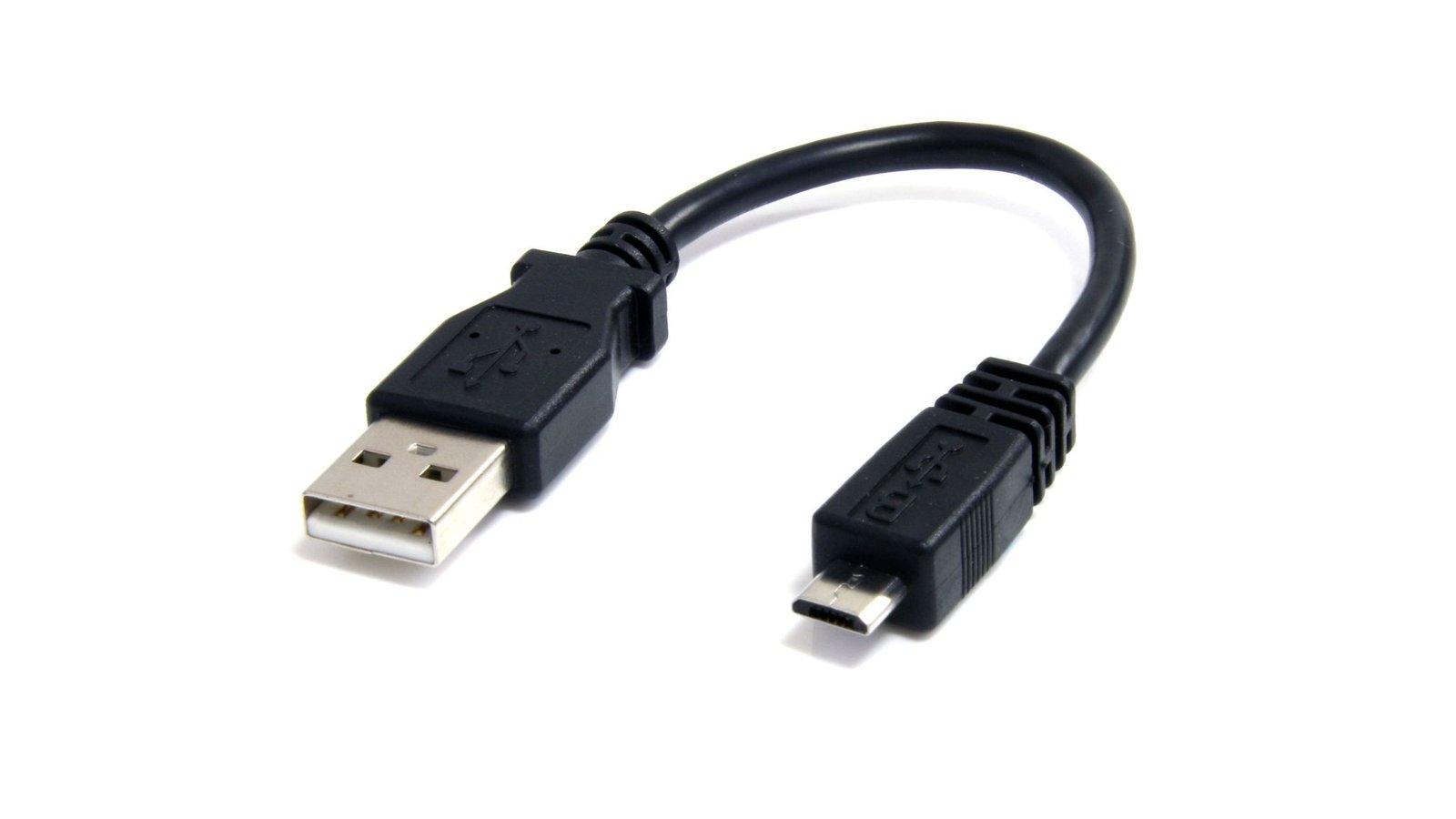
Micro USB is still one of the most searched connector types in Egypt, despite the rise of newer charging standards. The search intent behind USB is very clear. Users want to know what it is used for today, which devices still support it, how it compares to USB-C, and whether it is still worth buying in the Egyptian market.
This article explains USB from a practical point of view. No technical overload, no sales talk, just clear information, real use cases, and current price expectations in Egypt.
What Is Micro USB?
It is a small USB connector standard that was widely used in smartphones, power banks, Bluetooth devices, cameras, and accessories for many years.
It became popular because it offered:
- Compact size
- Lower production cost
- Broad device compatibility
Before USB-C became common, USB was the default charging and data cable for Android devices across Egypt.
How Micro USB Works with USB-A
Most micro USB cables in Egypt use a usb a connector on one end and a USB connector on the other.
This setup allows:
- Charging from wall adapters
- Data transfer with laptops and PCs
- Power delivery from power banks
Even today, many chargers and computers still rely on usb a ports, which keeps micro USB cables relevant in daily use.
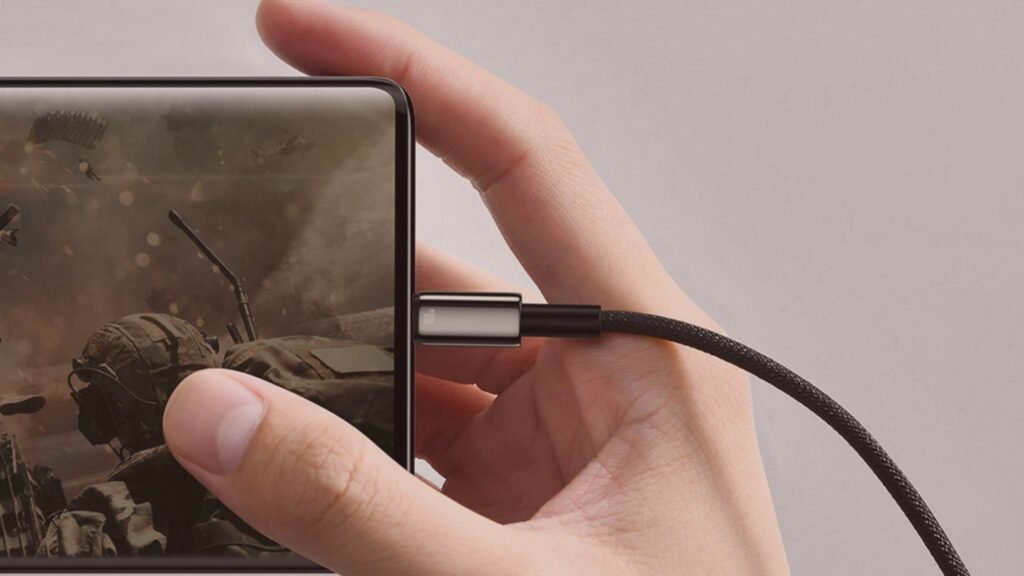
Devices That Still Use Micro USB in Egypt
Despite newer standards, USB remains widely used in Egypt across several categories.
Feature Phones and Budget Smartphones
Many budget and older Android phones still rely on USB.
Approximate prices for cables: 30 – 80 EGP
Power Banks
A large number of power banks still use USB for input charging.
Approximate cable price: 40 – 100 EGP
Bluetooth Speakers and Headsets
Portable speakers, wireless earphones, and car audio accessories often use micro USB.
Estimated cable price: 35 – 90 EGP
Security Cameras and Routers
Some indoor cameras and networking devices still depend on USB for power.
Cable price range: 50 – 120 EGP
Micro USB vs USB-C: Practical Comparison
While USB-C is newer, USB still has practical value.
Micro USB Advantages
- Lower cost
- Wide availability in Egypt
- Compatible with older devices
- Easy replacement
Micro USB Limitations
- Single-side insertion
- Slower data transfer
- Less durable than USB-C
For users who already own compatible devices, USB remains a cost-effective option.
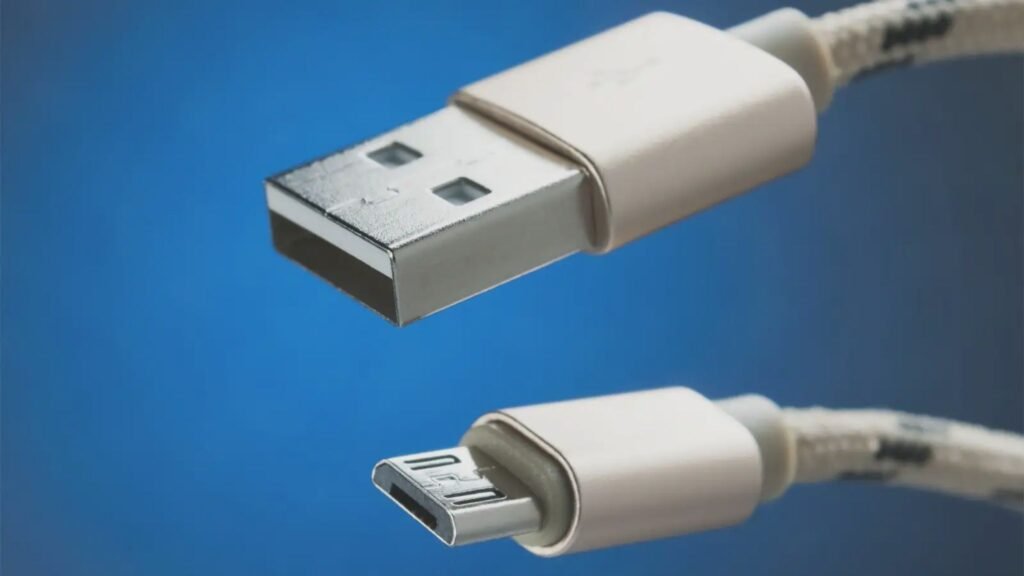
Micro USB Cable Quality: What to Check Before Buying
Not all USB cables are equal. When buying in Egypt, pay attention to:
- Cable thickness
- Connector firmness
- Brand reputation
- Charging speed consistency
Cheap cables may charge slowly or stop working after a few weeks.
Micro USB Prices in Egypt (2026 Market View)
Prices vary based on quality and length.
- Standard USB Cable 30 – 60 EGP
- Fast-Charge Supported Cable 60 – 120 EGP
- Braided or Reinforced Cable 100 – 180 EGP
Longer cables and branded options usually cost more but last longer.
Where Egyptians Buy Micro USB Cables
Common buying locations include:
- Local mobile shops
- Electronics markets
- Online stores
- Tech content platforms and reviews
Some users discover product discussions through broader tech communities like t7milatpro, but final purchase decisions are usually made locally.
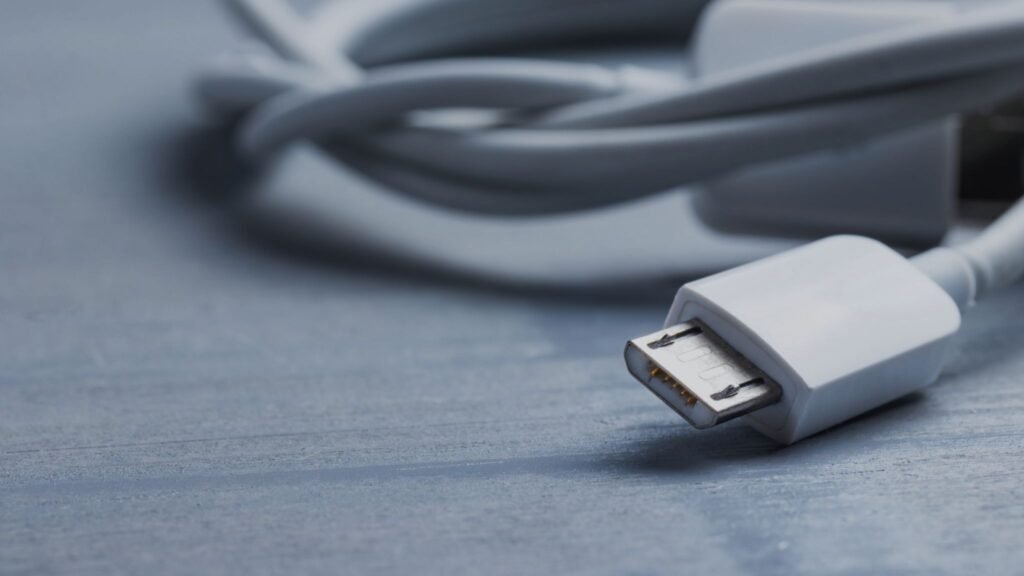
Is Micro USB Still Worth Buying in Egypt?
For many users, yes. If you own:
- Older Android devices
- Power banks
- Bluetooth accessories
- Basic electronics
Then USB is still useful and affordable. Switching to USB-C only makes sense if all your devices support it.
Common Problems with Micro USB (And How to Avoid Them)
- Loose Connection: Caused by worn ports or low-quality cables.
Solution: Use shorter, reinforced cables.
- Slow Charging: Often due to thin internal wiring.
Solution: Choose cables labeled for fast charging.
- Short Lifespan:Bending near the connector causes breakage.
Solution:Buy braided or strain-relief cables.
Final Thoughts on Micro USB
The continued demand for USB in Egypt is not accidental. It reflects real usage, existing devices, and budget-friendly needs.
While newer standards exist, USB remains practical, accessible, and affordable for millions of users. As long as compatible devices are in circulation, USB will continue to have a place in the Egyptian tech market..